Bowls is a game for all ages and abilities. Regardless of your athletic background, you can get involved and compete at club level. However, there are physical conditions that cause players to question whether they can continue playing—the most common of which is arthritis.
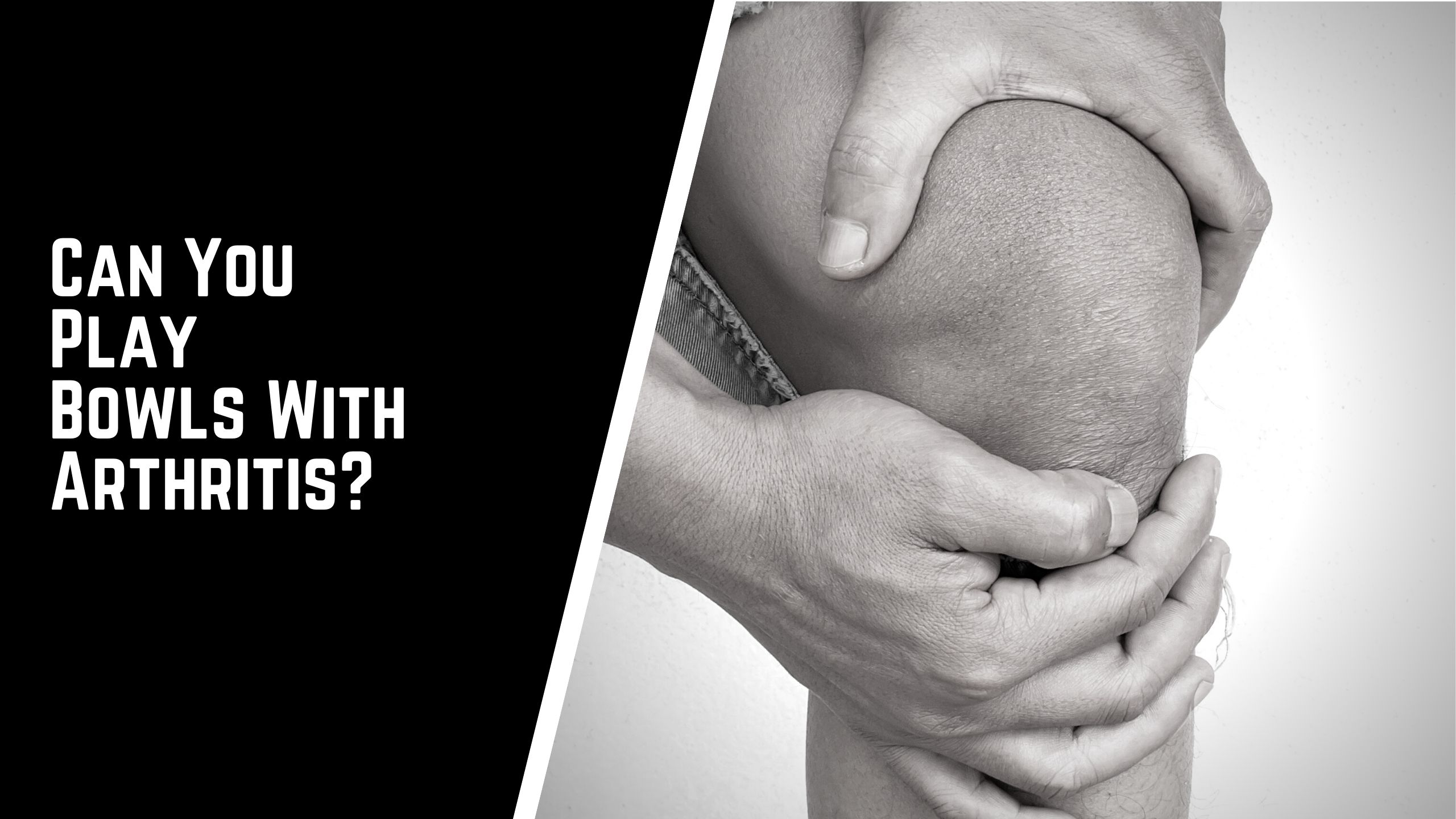
It is completely understandable for someone to wonder whether they can start or continue playing bowls if they develop arthritis. Arthritis primarily affects synovial joints—most commonly in the fingers, wrists, knees, hips, and lower back—all of which are engaged during a bowls delivery.
In this guide, we will look at:
- The main ways arthritis affects a bowler's delivery and grip
- Clinical perspectives on low-impact exercise from healthcare bodies
- Practical adaptations, aids, and equipment to keep you on the green pain-free
How arthritis affects playing bowls
First, let's examine where arthritis most frequently impacts lawn bowlers. The most common areas are the fingers, wrists, knees, and lower back. Finger and wrist issues affect the ability to cradle, grip, and smoothly release the bowl; knees and back issues affect the ability to bend into a stable delivery stride.
Fingers and wrists
Osteoarthritis in the finger joints (such as the distal and proximal interphalangeal joints) can cause stiffness and reduce pinch grip strength. When holding a heavyweight bowl (up to 1.59 kg), arthritic fingers can feel strained, especially if the bowl size is slightly too large for your hand span.
Wrist stability is equally vital. On slower outdoor greens that require a fuller backswing, holding a stable wrist position throughout the swing can irritate joints affected by arthritis or prior injury.
Knees and lower back
A standard delivery requires stepping forward into a controlled partial lunge. When knee or lumbar spine joints are stiff or inflamed, bending close to the playing surface becomes difficult and tiring over a 2-hour game.
Can you play bowls with arthritis?
Yes, you can absolutely play bowls with arthritis. In fact, medical authorities and clinical charities strongly recommend low-impact sports like lawn bowls for joint health.
According to Versus Arthritis and the NHS, regular low-impact exercise nourishes joint cartilage with synovial fluid, strengthens supporting muscles, reduces systemic inflammation, and helps maintain independent mobility.
"Staying physically active keeps your joints moving and strengthens the muscles around them, which protects and supports the joints." — Versus Arthritis Clinical Guidelines
Practical adaptations & approved bowling aids
Rather than giving up the sport, simple equipment tweaks and technique modifications allow players with arthritis to compete comfortably:
1. Downsize your bowl size and choose deep grips
If arthritis reduces finger strength, drop down one bowl size (for instance, from a Size 3 to a Size 2 or 1). Smaller bowls reduce total mass and circumference, significantly decreasing the muscular torque required to grip the bowl securely. Look for models with embedded or grooved grips (such as Taylor Progrip or Henselite Crescent grips) which enhance tactile traction without forcing you to squeeze tightly.
2. Use a certified bowling arm
If bending down causes acute knee or spinal discomfort, consider a bowling arm. Bowling arms feature a hand-operated trigger release that holds and delivers the bowl from a standing position. They are officially sanctioned for competitive play by Bowls England, Bowls Australia, and World Bowls, ensuring you remain fully eligible in leagues and tournaments.
3. Use bowls lifters and pickup aids
A significant portion of joint strain during a match comes not from bowling, but from repeatedly bending down to pick up bowls from the green or ditch. Telescopic bowls lifters allow you to retrieve your bowls while standing completely upright.
4. Joint supports and compression sleeves
Elasticated compression sleeves for the knee or wrist can provide warmth and mild stabilization during play. Always choose breathable, flexible supports that do not restrict normal circulation or impair natural joint mobility.
Pacing & Clinical Precautions
The Chartered Society of Physiotherapy (CSP) emphasizes pacing when managing arthritis:
- Warm up gently: Spend 5 minutes gently mobilizing your wrists, shoulders, and legs before stepping onto the mat.
- Listen to acute flare-ups: If a joint is hot, red, or severely swollen, rest and avoid aggravating it until the inflammatory flare settles.
- Consult your healthcare professional: Always discuss your bowling routine with your GP, rheumatologist, or physiotherapist. They can advise on optimal warm-up drills, pain management, and tailored strengthening exercises.
Conclusion
Many people assume an arthritis diagnosis means stepping away from sporting life. However, with low-impact green surfaces, approved mechanical delivery aids, smaller bowl options, and sensible pacing, you can continue enjoying competitive bowls for decades to come.
Get The Complete Lawn Bowls Drill Pack
The Jack High Bowls Drill Pack is available now for instant download.
Perfect for beginners and improving players looking to be more consistent and win more games!
Win More Games Today >>